


Loading news…


 guides
Valve has followed Deadlock's City Never Sleeps launch with a focused interface and control update. Players can hide account names above health bars or replace them with hero names, enemy damage and zipline colors can be customized, Down Dash can be rebound, and objective information is easier to notice. These changes do not add another hero or item. They make the large visual overhaul easier to read during an actual fight.
 guides
Deadlock's City Never Sleeps update is live and changes the city at a structural level. Four hidden districts sit between the main streets, neutral camps have become distinctive Haunts, and a new merchant called The Broker exchanges high-tier equipment for powerful Corrupted Items carrying random penalties. Six heroes are waiting to enter through a revised voting system, while the HUD, shop, accessibility menu and Sandbox have all received substantial work.
 guides
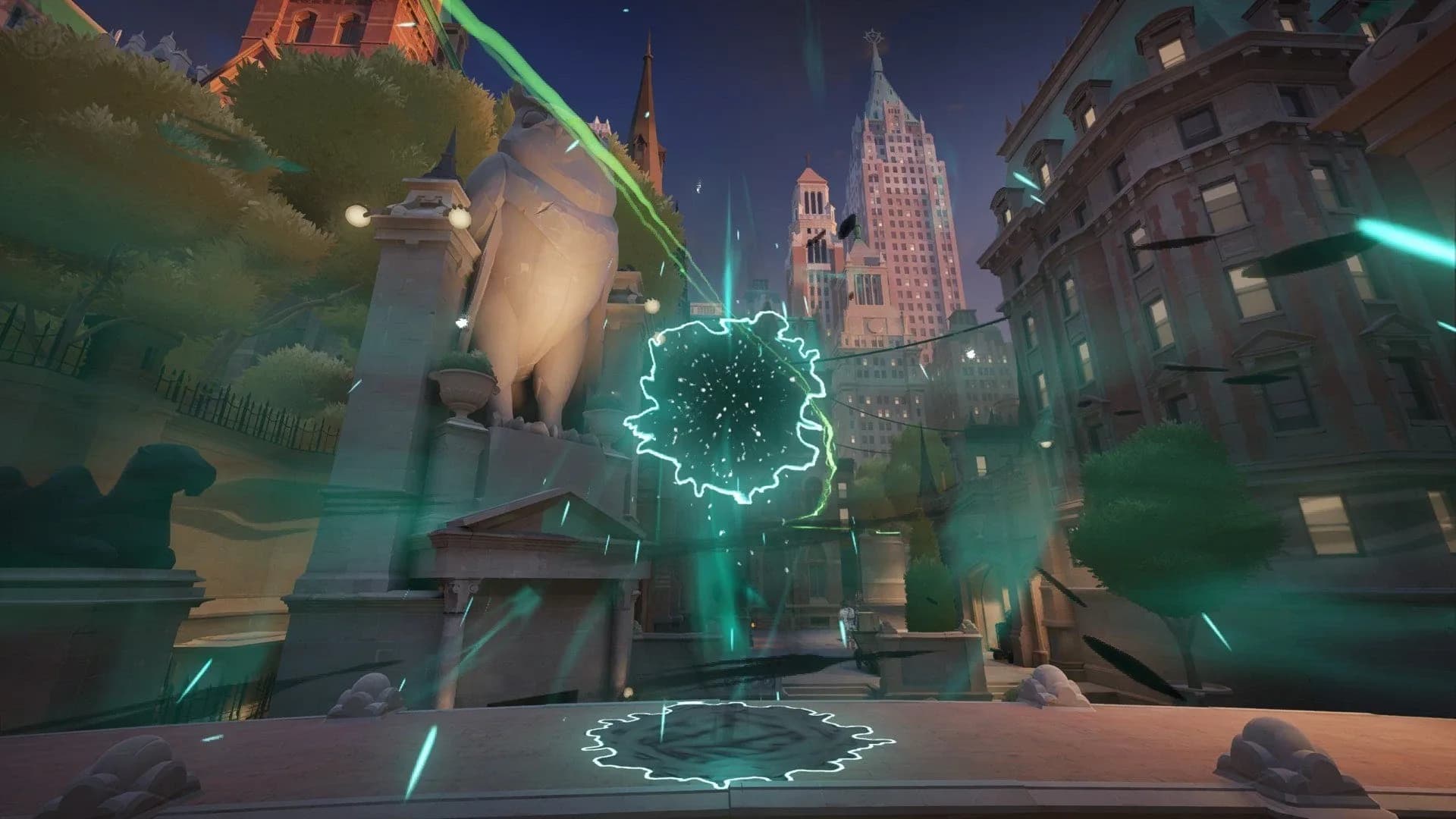
McGinnis is strongest when she turns a small positional advantage into a place the enemy cannot cross cheaply. Mini Turrets add sustained fire, Medicinal Specter keeps an organised group alive, Spectral Wall divides the fight and Heavy Barrage punishes opponents who remain in a controlled area. The abilities look independent on the hero screen, but the reliable pattern is sequential: secure vision, place support outside the first burst of damage, cut one route and only then spend the.
 guides
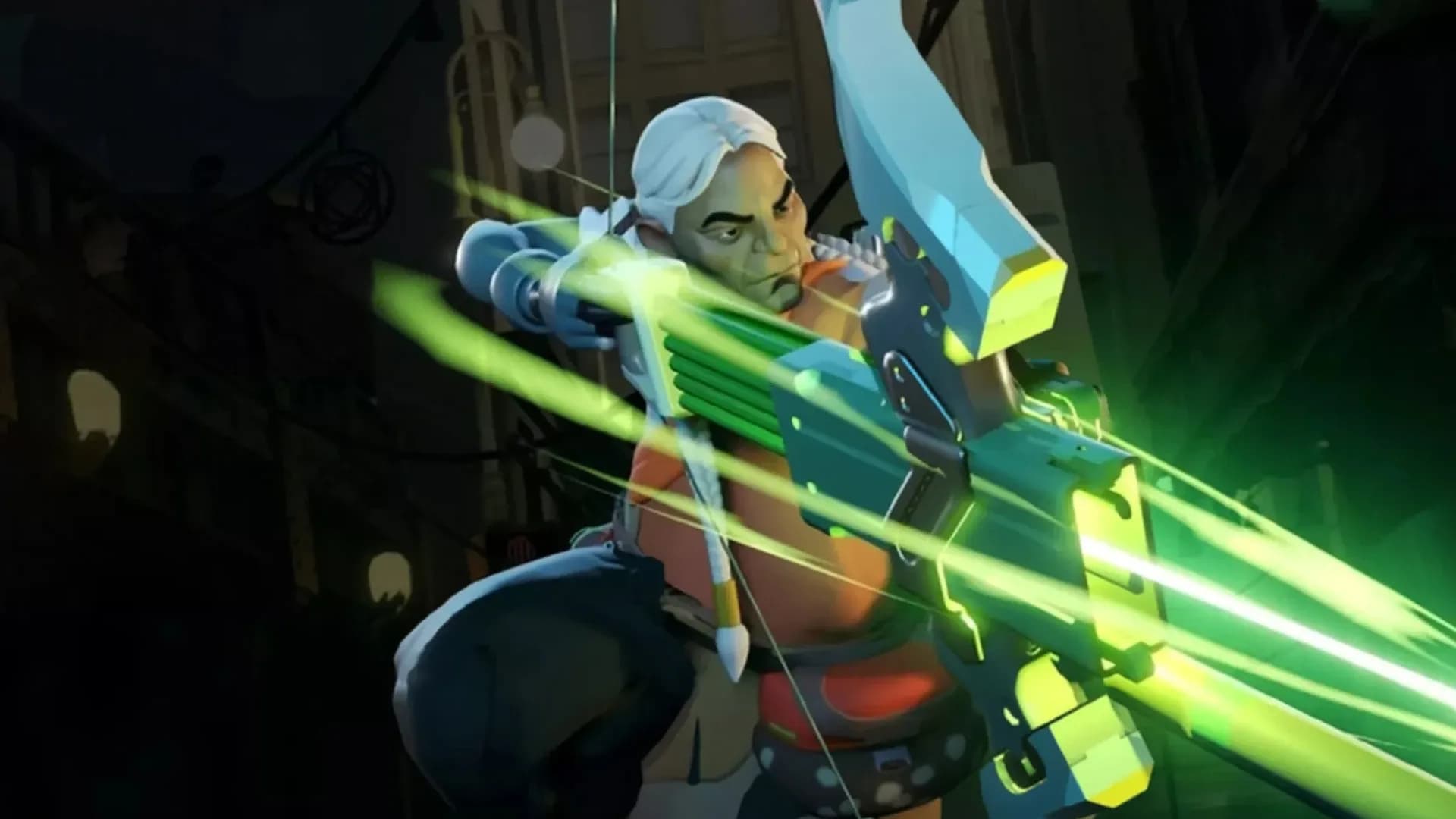
Grey Talon is a long-range Deadlock hero whose strongest attacks become reliable after space has been prepared. Spirit Snare can slow and curse a target, Charged Shot converts that control into piercing damage, Rain of Arrows creates a new angle, and Guided Owl gives the team a distant stun. The guide below keeps those tools in a simple order.
 guides
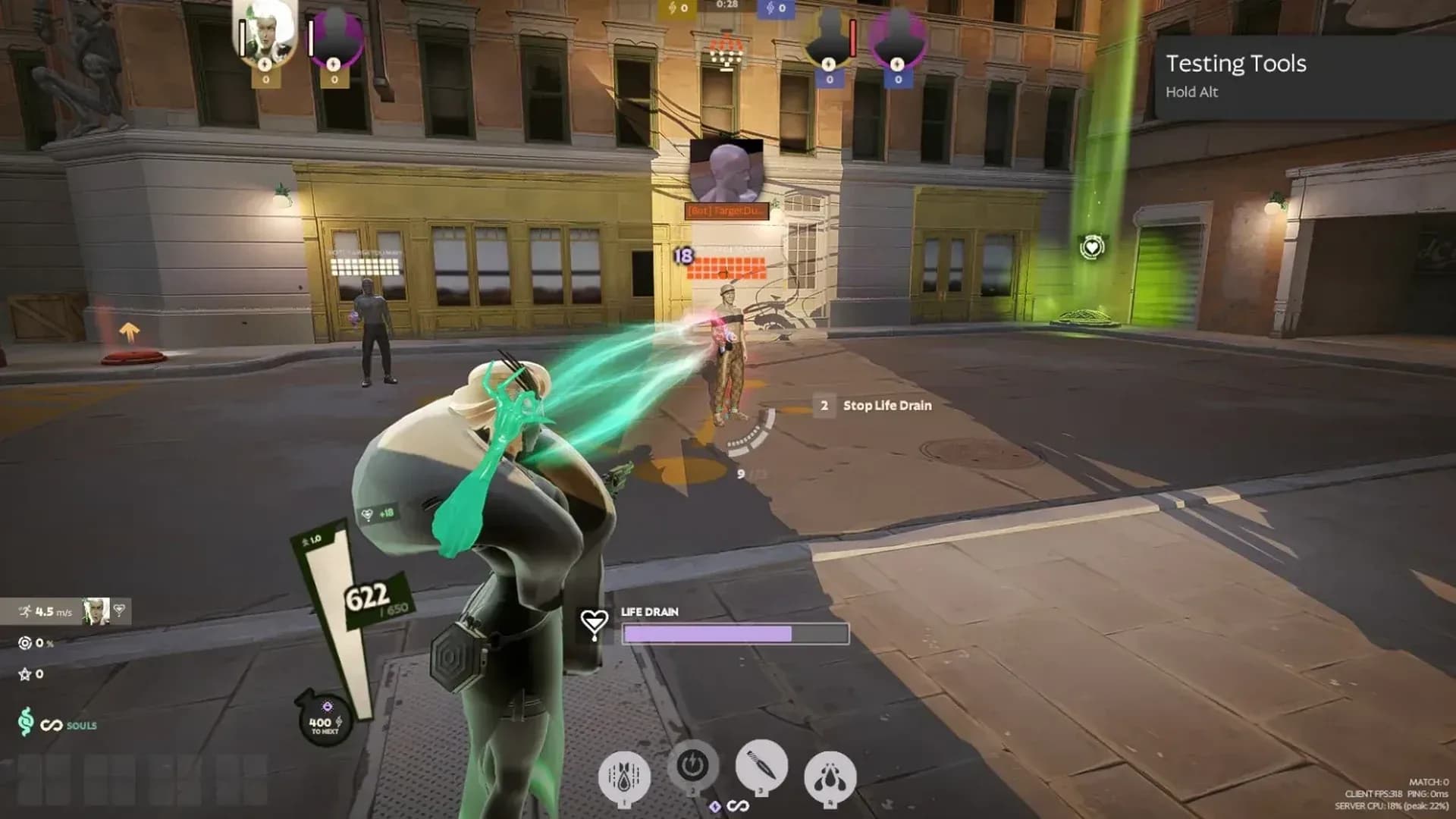
Lady Geist turns health into pressure, but her strongest abilities can punish careless timing. A reliable plan uses Essence Bomb to shape movement, Malice to amplify later damage, Life Drain to stabilise a controlled duel and Soul Exchange as a reversal rather than a panic button. The goal is not to remain at full health; it is to know why each point of health is being spent.
 guides
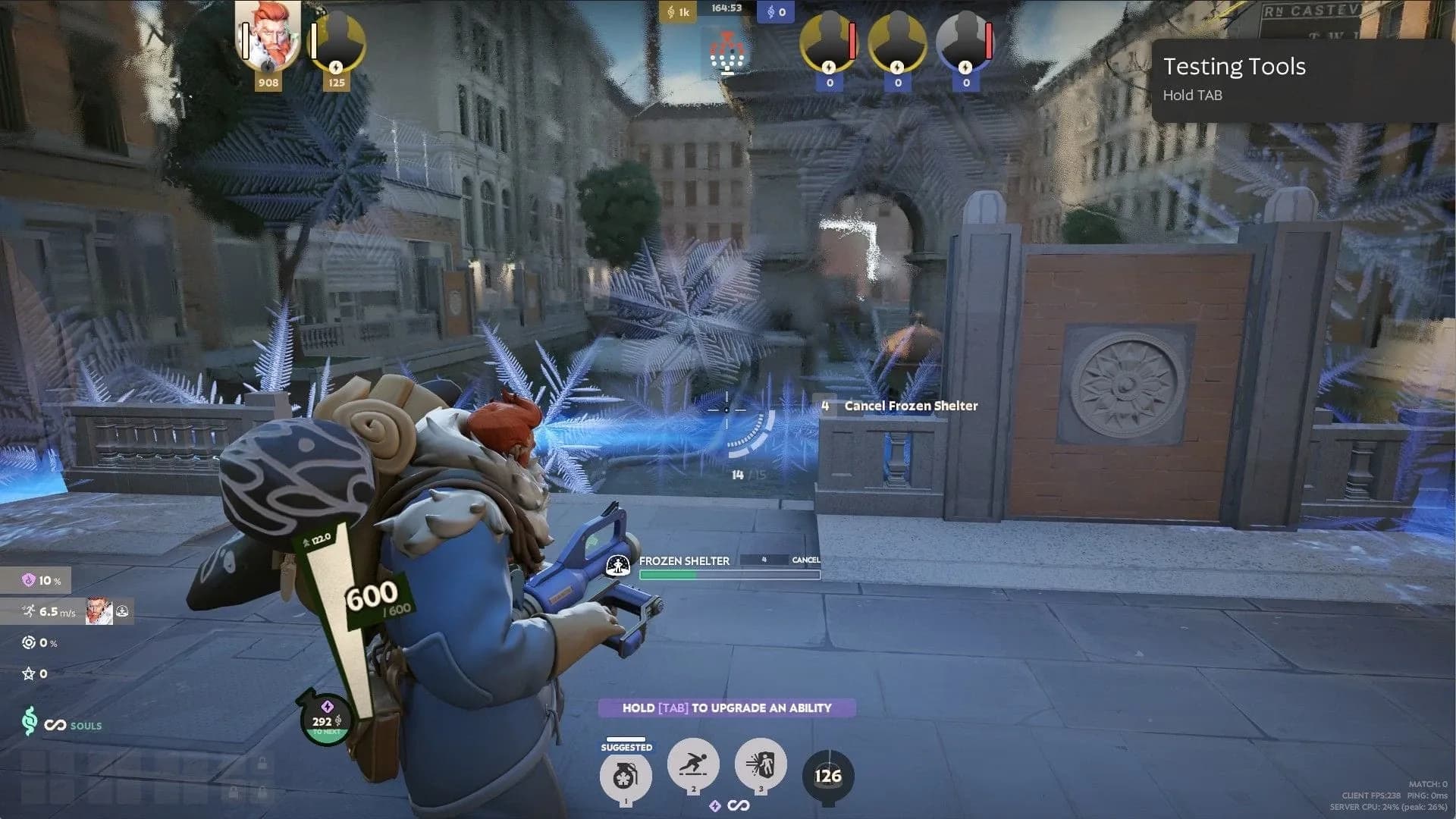
Kelvin controls routes and protects allies, but his strongest abilities can also separate players who expected to fight together. Ice Path changes elevation and movement, while Frozen Shelter creates a temporary boundary around everyone inside. Both abilities need a destination chosen before they are cast.
 guides
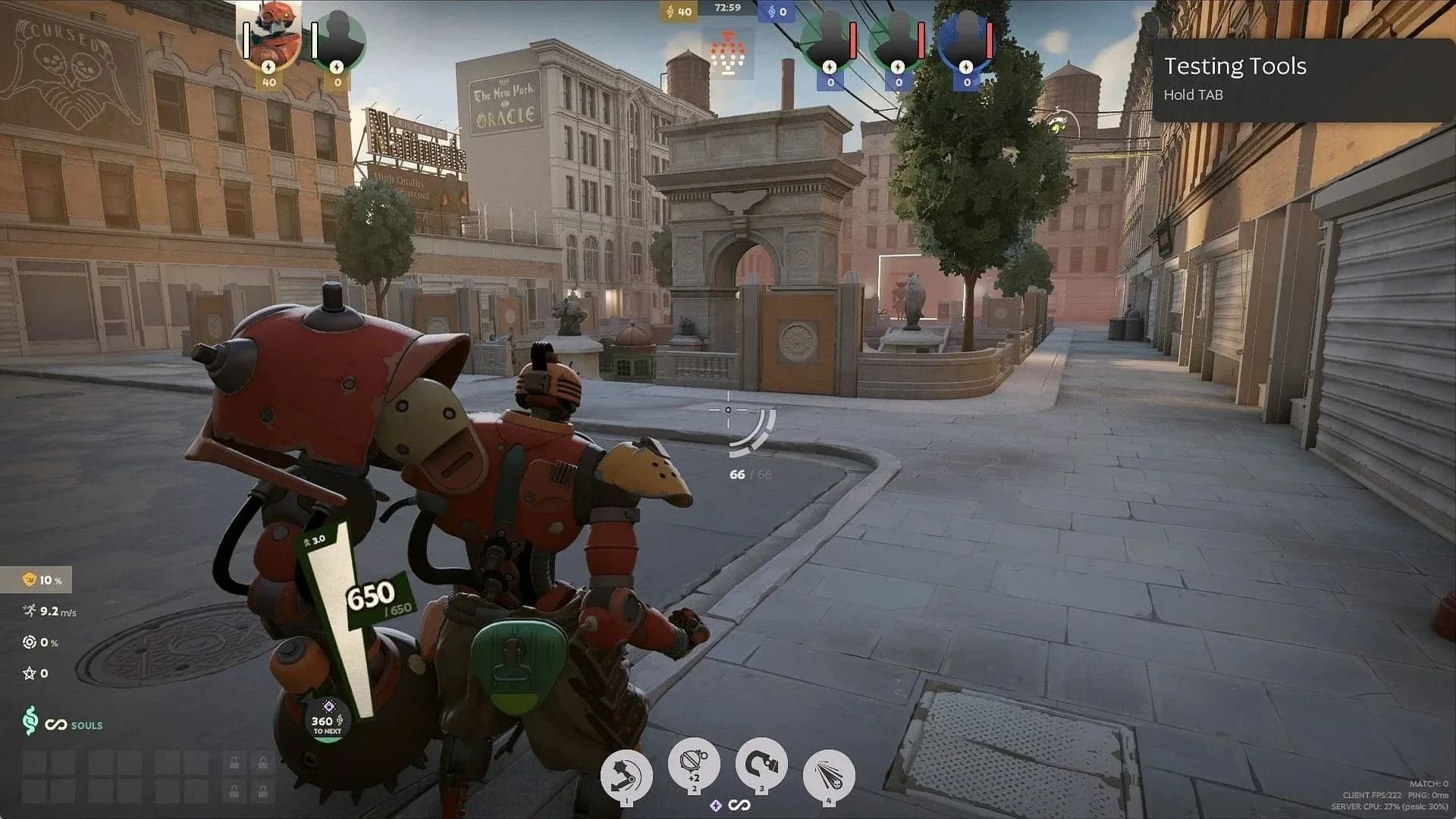
Bebop can change a fight with one Grapple Arm, but a successful connection is not automatically a good pull. The target arrives beside Bebop, so the player must check the landing area, allied follow-up and the enemy's ability to punish a crowded back line before committing.
 guides
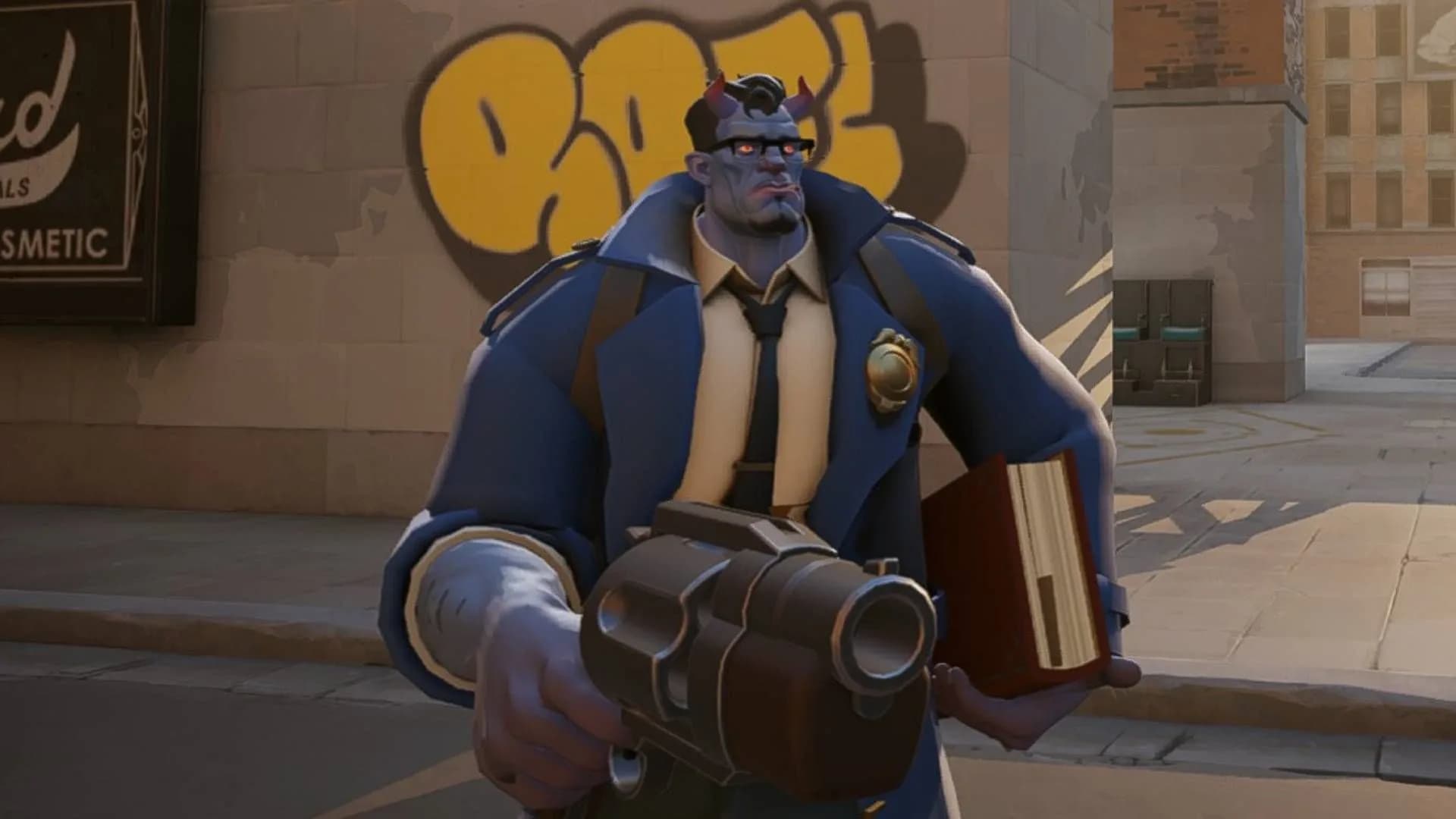
Dynamo controls space for his team through Kinetic Pulse, Quantum Entanglement, Rejuvenating Aurora and Singularity. His strongest play is not a solitary ultimate. It is a sequence that first creates a safe approach, keeps allies close enough to respond and then catches opponents who have already spent an escape.
 guides
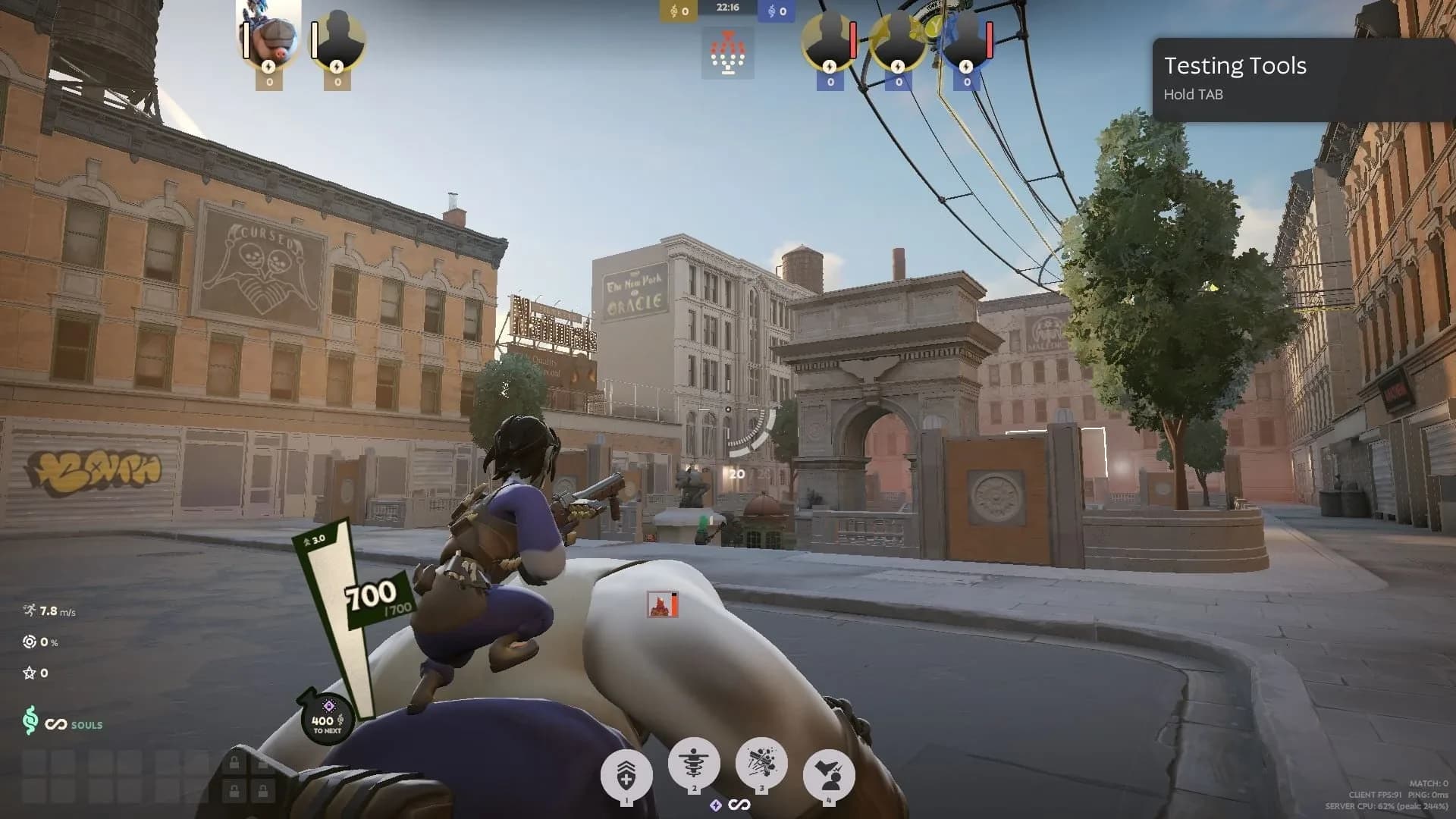
Mo & Krill control short fights by travelling safely with Burrow, disrupting a group with Sand Blast and holding one priority target with Combo. The hero is strongest when the entry has a planned exit and the team is already close enough to use the immobilisation.
 guides
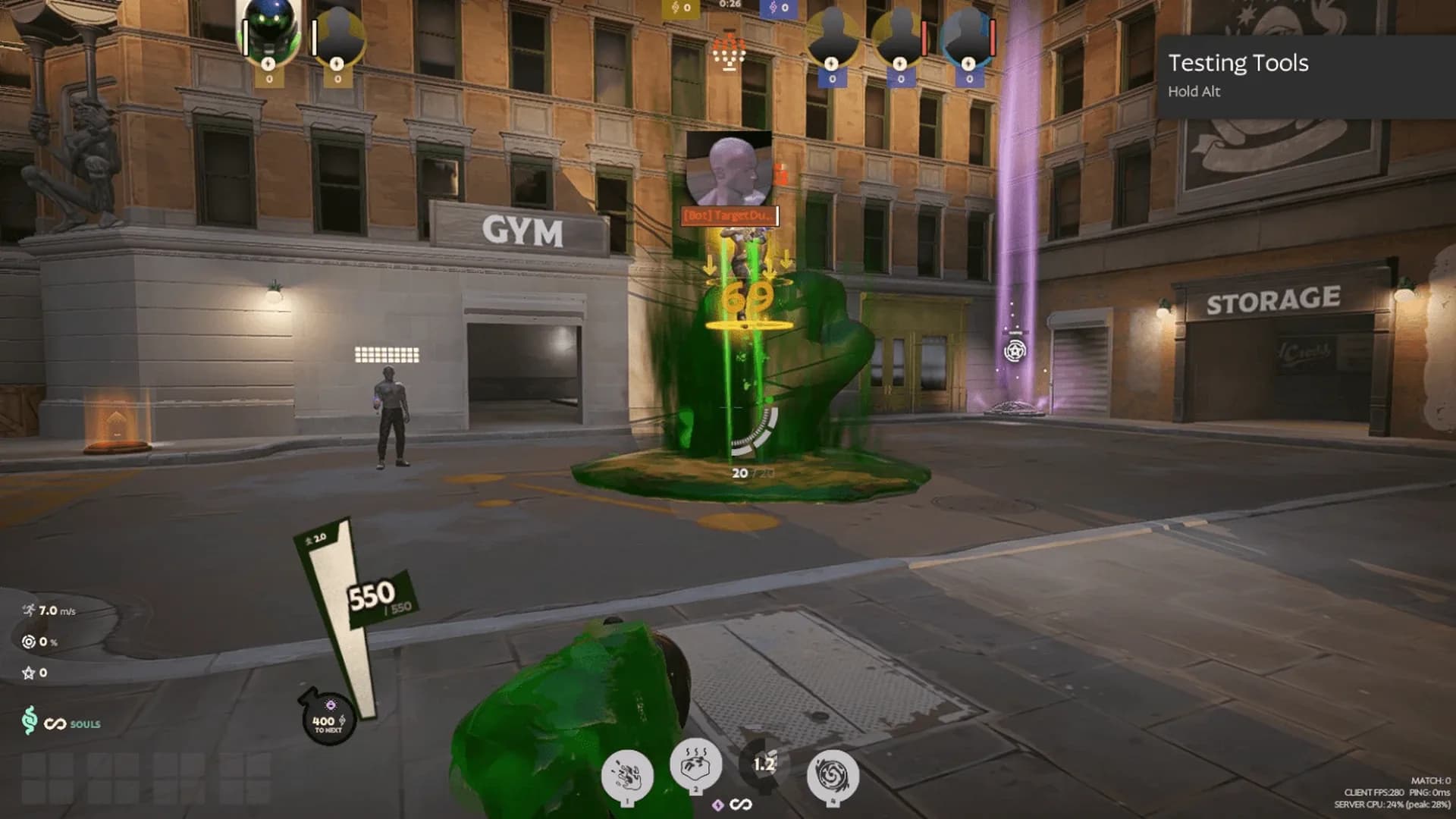
Viscous can protect an ally, displace a target and turn into a fast disruptive ball, but every ability changes positions for both teams. The reliable approach begins by choosing the exit before using The Cube, Puddle Punch or Goo Ball.
 guides
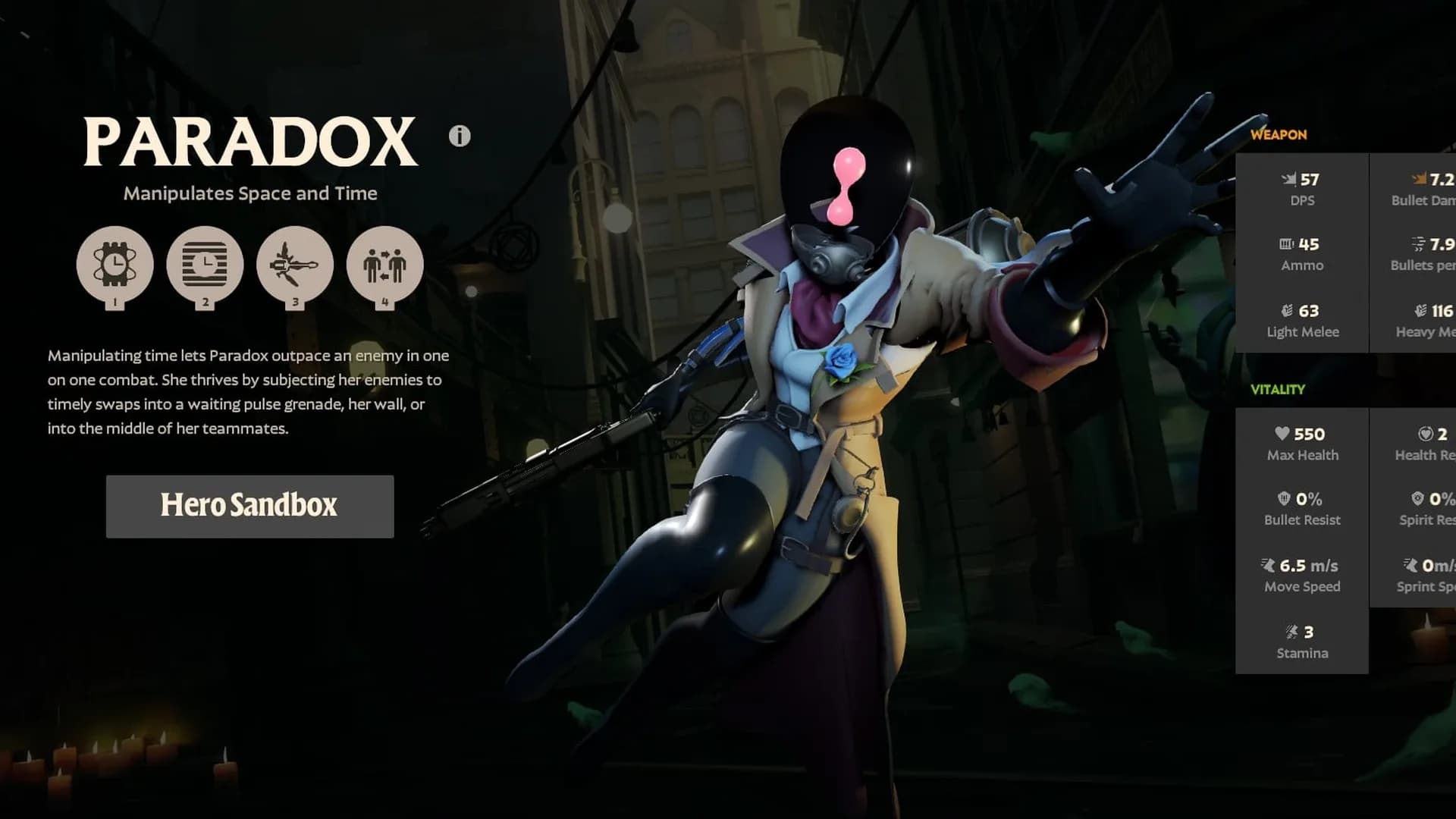
Paradox is strongest when she prepares a short sequence instead of throwing every ability at the first visible target. Pulse Grenade controls a small area, Time Wall changes the path of bullets and movement, Kinetic Carbine creates a precise opening, and Paradoxical Swap can pull an enemy out of safety. This guide focuses on the order of those decisions, the position needed before a swap and the escape route that must remain available afterwards.
 guides
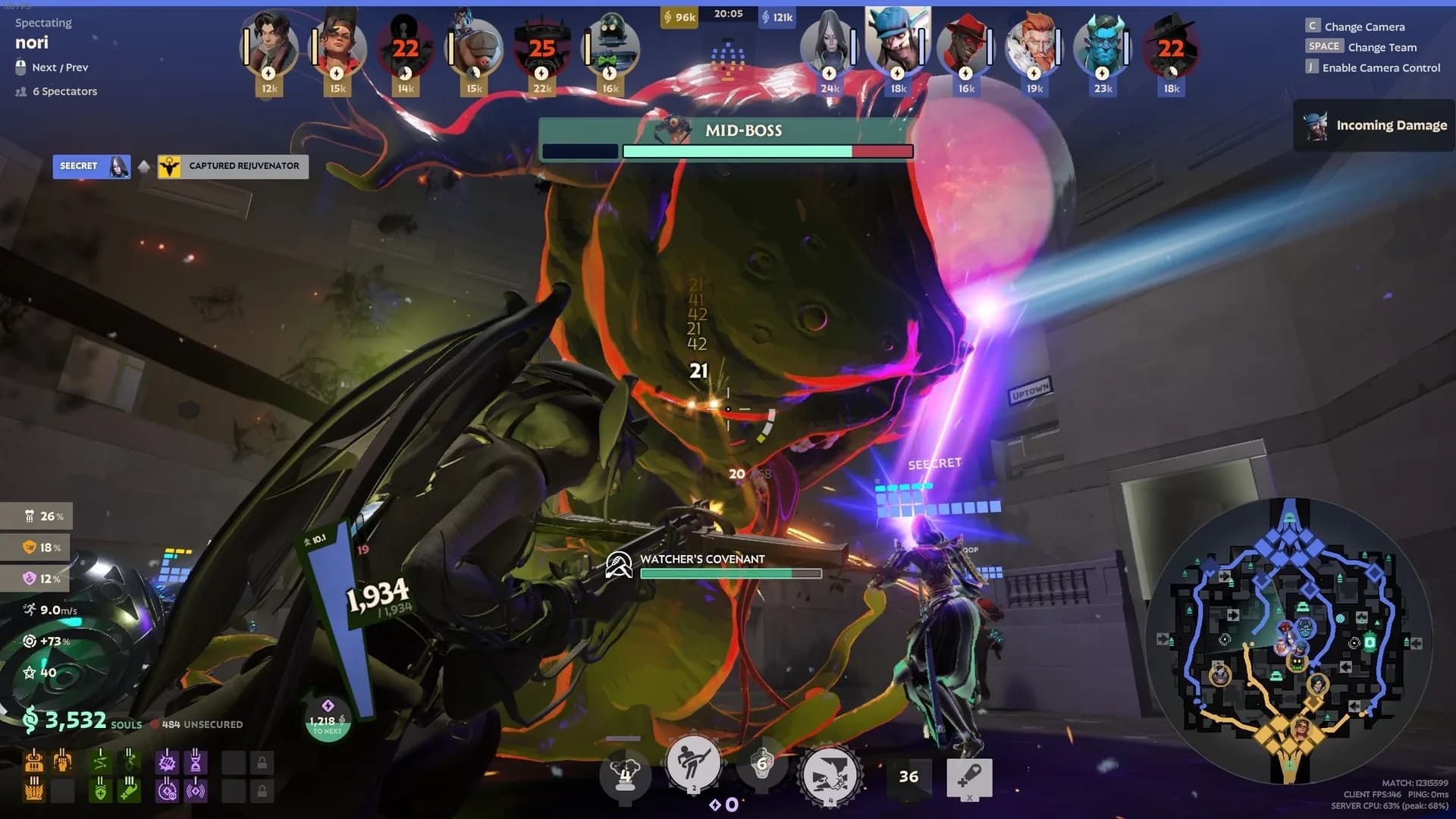
Mid Boss offers a major pressure advantage in Deadlock, but defeating the objective does not finish the job. The Rejuvenator still has to be secured, and an enemy can steal it if the team has not checked entrances, saved control abilities and chosen an exit. A reliable attempt begins with map information and ends with an organised retreat rather than a confused fight inside the pit.
 guides
Extra slots are Deadlock's direct link between objective control and item builds. The current system provides three additional places, with one unlocked for the whole team after its first, second and third enemy Walker kills. A Walker is therefore more than a path deeper into the map: destroying it can let every ally complete a defensive answer, add another active tool or extend a damage build. The guide explains how to plan that space before it opens and how to respond when the.
 guides
Deadlock now separates Standard and Ranked play and asks players to prove experience across several heroes before entering the competitive queue. The requirement is useful because one favourite can be banned, countered or assigned to another teammate, but a number of wins alone does not make a player ready. A reliable preparation plan should cover lane survival, objective timing, communication and a safe secondary role. This guide explains those decisions in plain terms and avoids.
 guides
Deadlock's latest minor update changes the systems that decide how a losing team returns to a match. Comeback resistance now grows with match time, some bonus Souls are redirected toward the two lowest-net-worth players, and objective rewards are distributed differently. Valve also reduced movement slows across the game and changed how reloads interact with parries and stuns. The patch contains many hero and item adjustments, but its largest effect may come from the way teams value a.
 guides
Yamato is a close-range attacker whose decisions begin before she reaches the target. Power Slash trades movement for a charged strike, Flying Strike connects her grapple to an enemy, Crimson Slash damages nearby opponents while restoring health, and Shadow Transformation strengthens a committed attack. She succeeds when each approach has a reason. Grappling the first visible hero without preparing damage or an exit only delivers Yamato into the enemy formation.
 guides
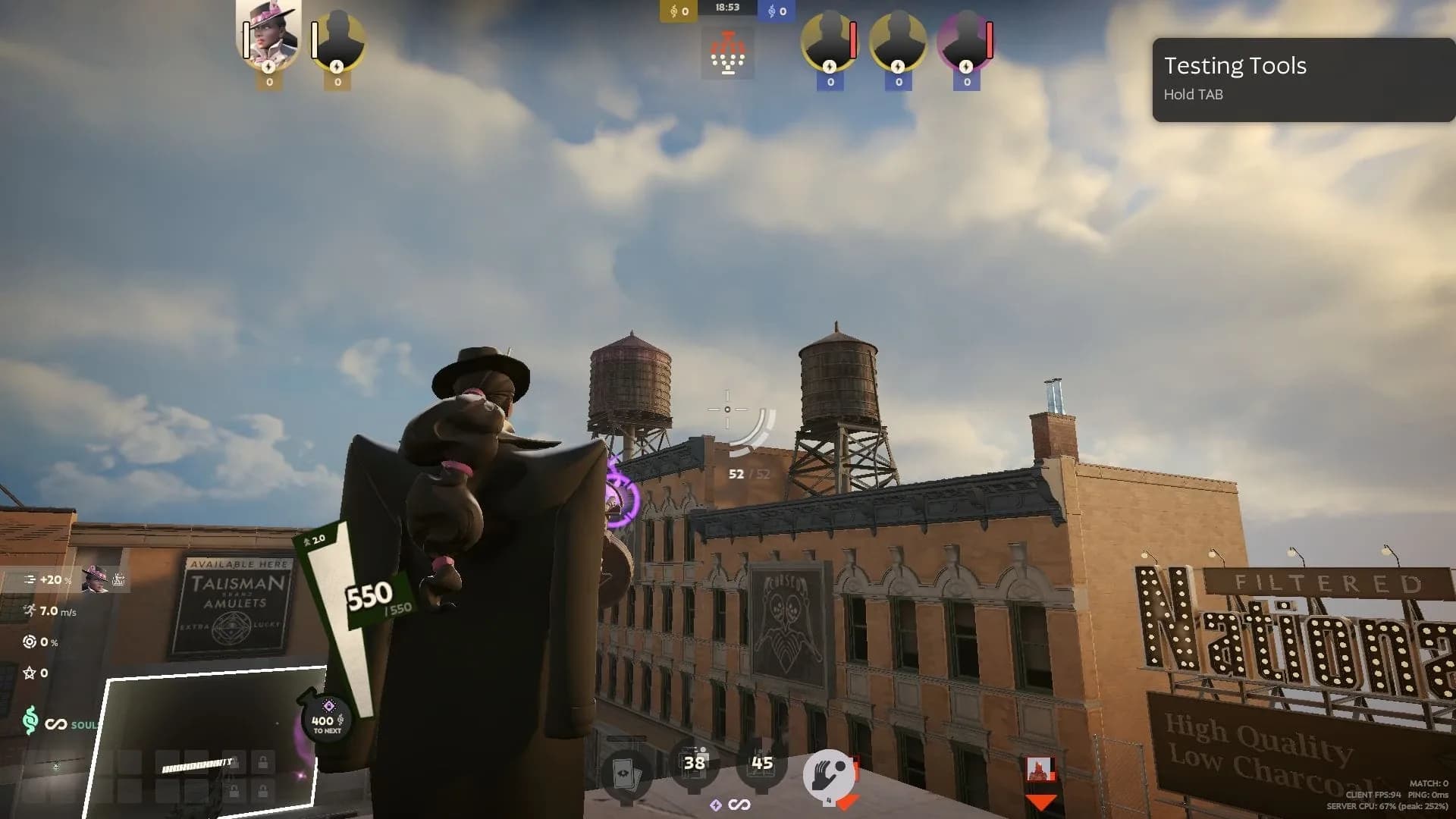
Wraith links accurate weapon fire with sudden movement. Damage builds Card Trick charges, Project Mind moves her to a chosen position, Full Auto accelerates a weapon exchange, and Telekinesis lifts one opponent before throwing that target toward the aimed direction. She is most reliable when the cards and escape point exist before the attack begins. Entering first and trying to create resources afterward reverses that order.
 guides
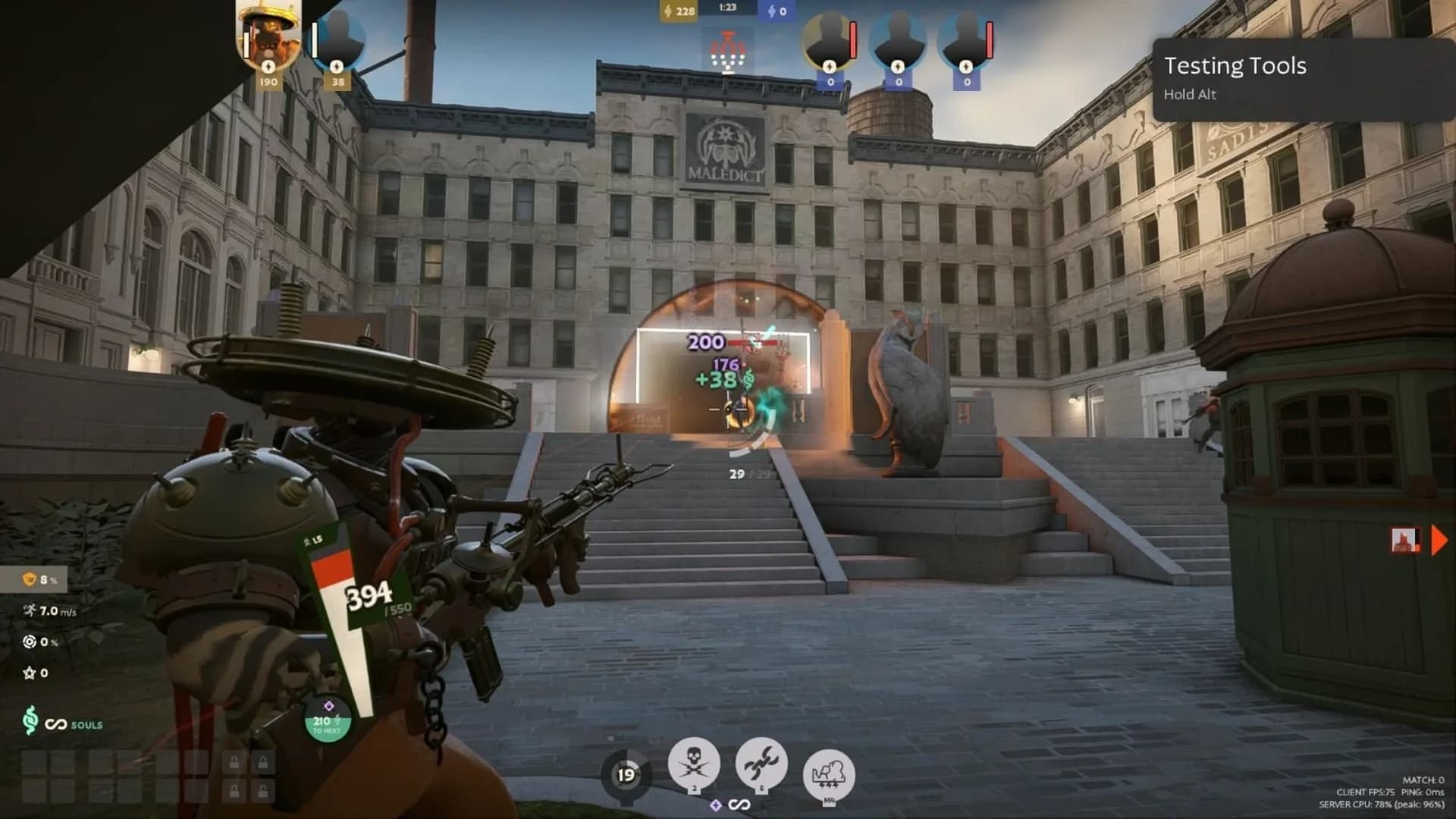
Seven controls a fight by making safe ground disappear. Lightning Ball occupies a route, Static Charge places a delayed threat on one enemy, Power Surge spreads weapon pressure through nearby targets, and Storm Cloud covers a large area while Seven channels it. His strongest moments begin before the ultimate. He needs walls, exits and enemy movement to work in his favour instead of floating above an open space with no protection.
 guides
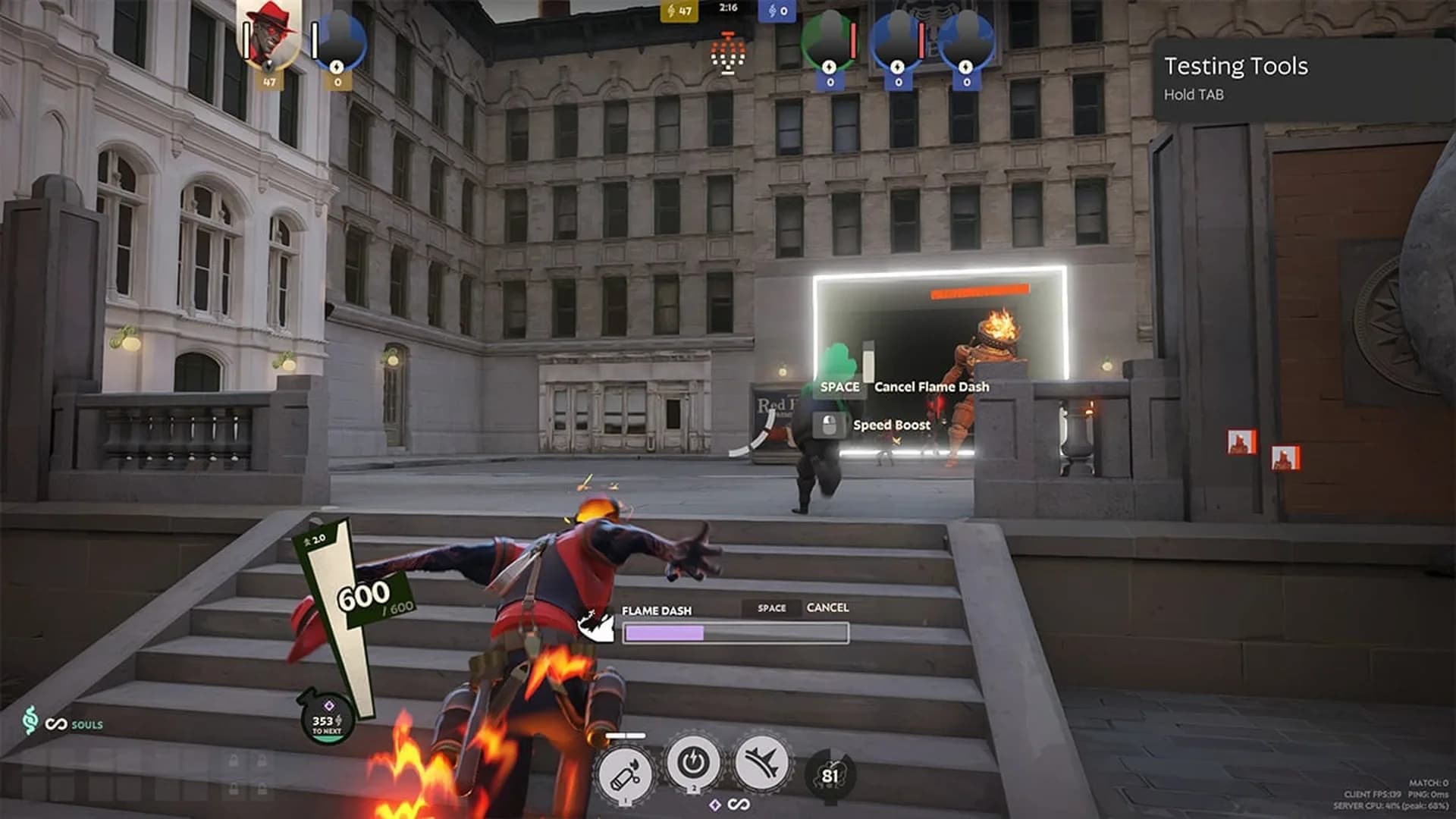
Infernus becomes dangerous when a short exchange turns into sustained pressure. His weapon builds Afterburn through repeated hits, Napalm makes a target easier to damage, Flame Dash creates a burning route, and Concussive Combustion punishes enemies who stay close. The difficult part is not starting a fire. It is remaining near enough to refresh it without spending every movement tool on the approach.
 guides
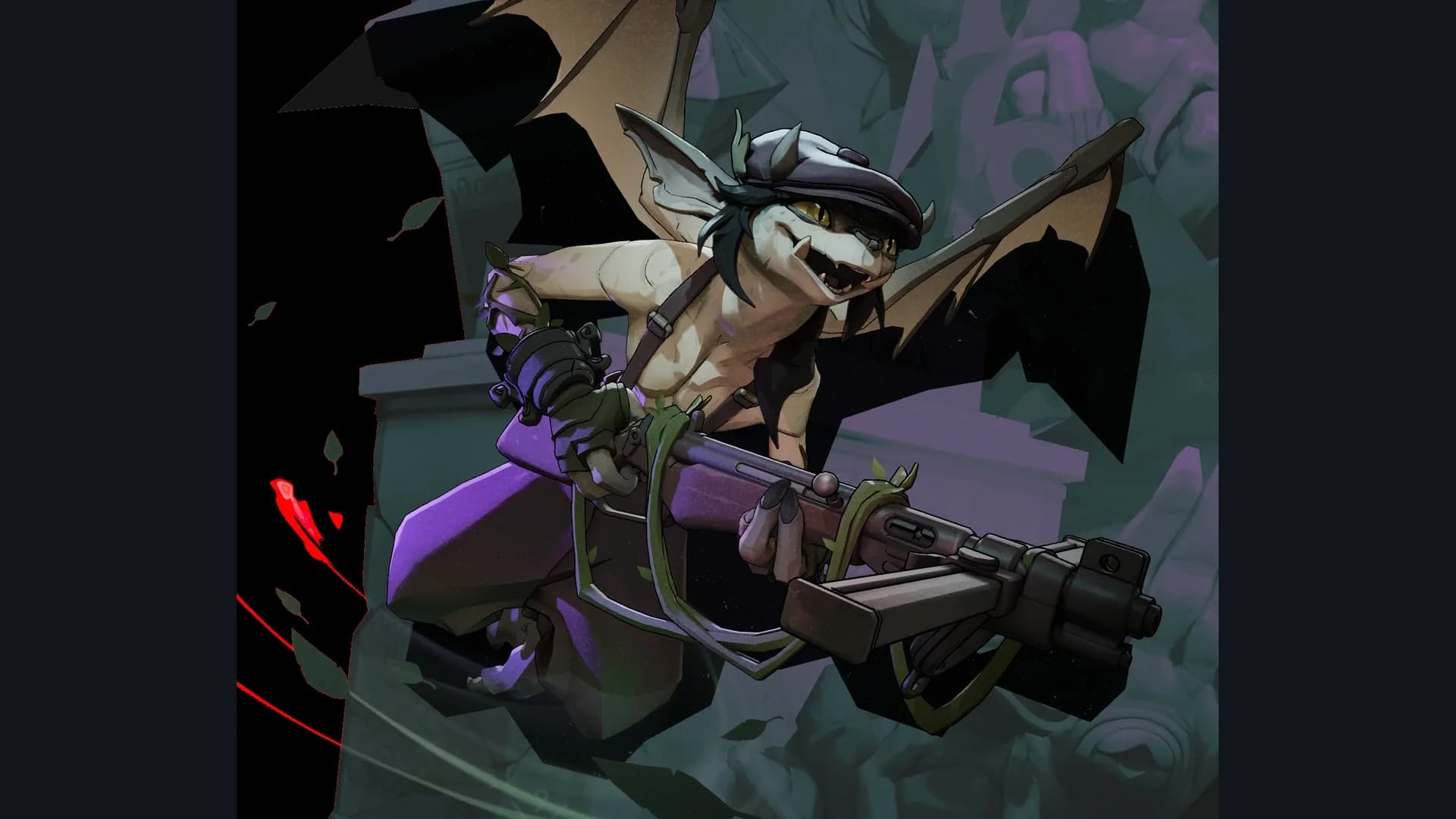
Ivy is a mobile support and area controller whose decisions begin with another player. Watcher's Covenant rewards choosing the teammate currently able to convert support into pressure, Kudzu Bomb makes small spaces costly to occupy, and Stone Form provides a disruptive defensive turn. Air Drop moves that partnership across the map, but every flight should begin with a useful destination and a safe landing plan.
